
Limestone-Gypsum Flue Gas Desulfurization Technology and Equipment
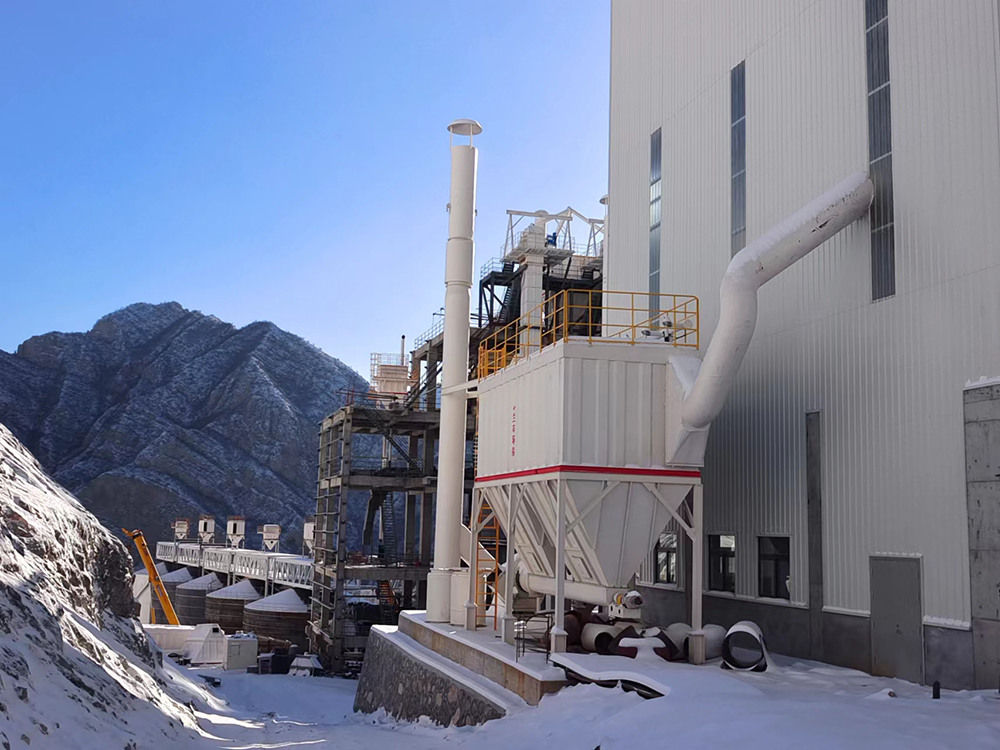
Limestone-Gypsum Flue Gas Desulfurization Technology and Equipment
Limestone-gypsum desulfurization process is a widely used wet desulfurization technology in the world, which is suitable for coal with high sulfur content, especially in areas where limestone is abundant and gypsum is widely used.


description1
Zipper closure
1/5 zip athletic pullovers for men. Stretchy, lightweight, fast-drying
fabric for superior performance.
REGULAR FIT - US standard sizes. An athletic fit that sits close to the
body
for a wide range of motion, designed for optimal performance and all day
comfort.
FEATURES - Quarter zip closure;Thumbholes on long sleeves to keep them
in
place during workout
Information
The technology and equipment for treating sulfur compounds in industrial kiln flue gas can generally be divided into three categories: pre-combustion desulfurization, incombustion desulfurization and post-combustion desulfurization. Among them, post-combustion desulfurization (FGD) is divided into wet method, dry method and semi-dry method according to the dry and wet states of absorbent and desulfurization products in the desulfurization process.
Performance Advantages
(1) High desulfurization efficiency. Desulfurization enhancement technology effectively reduces the liquid/gas ratio, which is conducive to the uniform distribution of gas flow in the tower, generally greater than 95%, up to 98%.
(2) The absorbent has a wide range of applications and high utilization rate. Limestone, lime and waste soda solution can be used, with a low calcium-sulfur ratio of 1.02~1.03.
(3) Cross spray pipe layout technology: it is beneficial to reduce the height of the absorption tower.
(4) Strong adaptability to unit load change. It can meet the stable operation of the unit within the load change range of 15%~100%.
(5) High purity of by-products. It can produce commercial grade gypsum with purity of more than 95%.
(6) Strong collaborative governance ability. The dust removal efficiency of coal-fired boiler flue gas is high, reaching 80~90%.
Performance Advantages
(1) High desulfurization efficiency. Desulfurization enhancement technology effectively reduces the liquid/gas ratio, which is conducive to the uniform distribution of gas flow in the tower, generally greater than 95%, up to 98%.
(2) The absorbent has a wide range of applications and high utilization rate. Limestone, lime and waste soda solution can be used, with a low calcium-sulfur ratio of 1.02~1.03.
(3) Cross spray pipe layout technology: it is beneficial to reduce the height of the absorption tower.
(4) Strong adaptability to unit load change. It can meet the stable operation of the unit within the load change range of 15%~100%.
(5) High purity of by-products. It can produce commercial grade gypsum with purity of more than 95%.
(6) Strong collaborative governance ability. The dust removal efficiency of coal-fired boiler flue gas is high, reaching 80~90%.


CONTACT US
Contact US
Product Information
Quantity
Unit
Piece
Support order samples, customization, wholesale direct, and complete payment. If the product you look for does not have corresponding customized content, pls fill out the form below to contact us, and we will reply ASAP.