
Semi-Dry Desulfurization Technology And Equipment
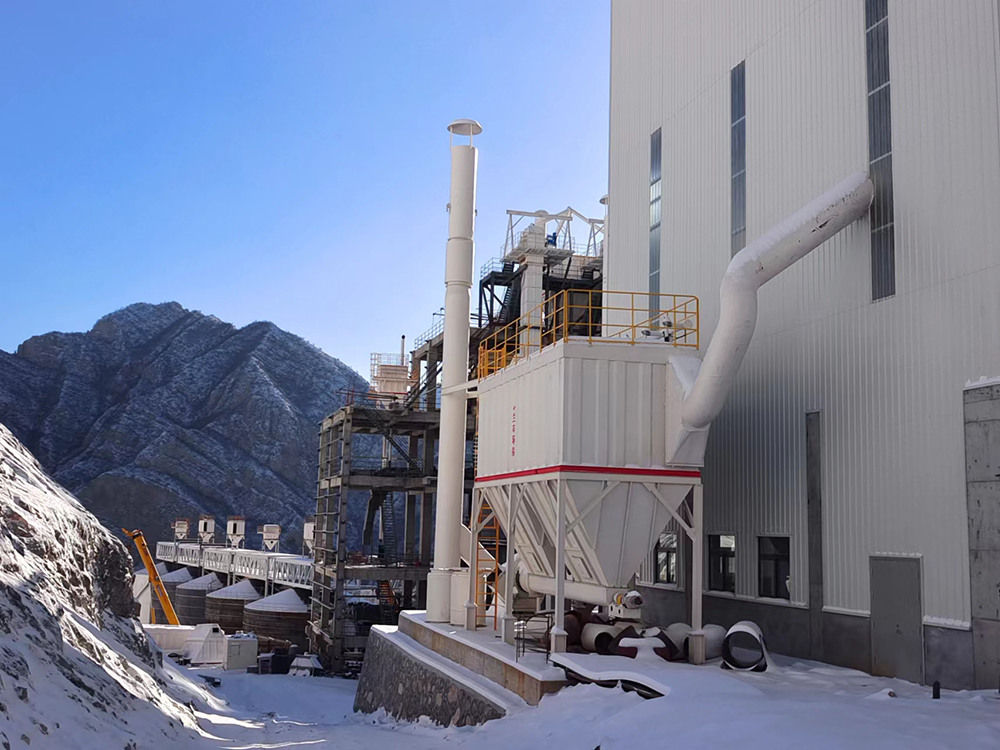
Semi-Dry Desulfurization Technology And Equipment
The semi-dry flue gas desulfurization technology is based on the principle of circulating fluidized bed. It establishes a high-density, intensely turbulent particle bed layer at the upper part of the Venturi tube in the desulfurization tower.


description1
Zipper closure
1/5 zip athletic pullovers for men. Stretchy, lightweight, fast-drying
fabric for superior performance.
REGULAR FIT - US standard sizes. An athletic fit that sits close to the
body
for a wide range of motion, designed for optimal performance and all day
comfort.
FEATURES - Quarter zip closure;Thumbholes on long sleeves to keep them
in
place during workout
Information
The technology and equipment for treating sulfur compounds in industrial kiln flue gas can generally be divided into three categories: pre-combustion desulfurization, incombustion desulfurization and post-combustion desulfurization. Among them, post-combustion desulfurization (FGD) is divided into wet method, dry method and semi-dry method according to the dry and wet states of absorbent and desulfurization products in the desulfurization process.
Overview
The semi-dry flue gas desulfurization technology is based on the principle of circulating fluidized bed. It establishes a high-density, intensely turbulent particle bed layer at the upper part of the Venturi tube in the desulfurization tower. By injecting water to cool down, it reduces the flue gas temperature by 15℃ to 20℃ above the dew point. Absorbent is then injected into the tower, utilizing the relative sliding speed between the flue gas and the absorbent particles to achieve desulfurization. The repeated recirculation of the absorbent extends the contact time between the absorbent and the flue gas, significantly improving the utilization rate of the absorbent. This technology has been widely applied in flue gas purification projects for coal-fired power plants, industrial kilns, and steel sintering and pelletizing processes.
Our company has improved and optimized the absorption tower and other key parts, increased the bed density, and achieved ultra-low emission of desulfurization and dust removal. In the circulating fluidized bed absorption tower, Ca(OH)2 completes the chemical reaction with SO2 in the flue gas and almost all SO3, HCl, HF, etc., to achieve the purpose of desulfurization.
Performance advantages
(1) High density fluidized bed technology is adopted, and flue gas recirculation device is set up to achieve high desulfurization efficiency and high utilization rate of desulfurizer;
(2) It has good adaptability to the change of sulfur dioxide concentration in inlet flue gas;
(3) The high-pressure reflux atomization water nozzle is used to spray and cool the desulfurization tower directly, which responds quickly to the system load changes and ensures the reliable operation of the rear dust collector;
(4) The whole process is dry reaction, no need for corrosion prevention, no waste water discharge, no need for white smoke removal;
(5) can remove harmful substances such as heavy metals and organic pollutants;
(6) The desulfurization by-product has good fluidity and is easy to deal with.
Overview
The semi-dry flue gas desulfurization technology is based on the principle of circulating fluidized bed. It establishes a high-density, intensely turbulent particle bed layer at the upper part of the Venturi tube in the desulfurization tower. By injecting water to cool down, it reduces the flue gas temperature by 15℃ to 20℃ above the dew point. Absorbent is then injected into the tower, utilizing the relative sliding speed between the flue gas and the absorbent particles to achieve desulfurization. The repeated recirculation of the absorbent extends the contact time between the absorbent and the flue gas, significantly improving the utilization rate of the absorbent. This technology has been widely applied in flue gas purification projects for coal-fired power plants, industrial kilns, and steel sintering and pelletizing processes.
Our company has improved and optimized the absorption tower and other key parts, increased the bed density, and achieved ultra-low emission of desulfurization and dust removal. In the circulating fluidized bed absorption tower, Ca(OH)2 completes the chemical reaction with SO2 in the flue gas and almost all SO3, HCl, HF, etc., to achieve the purpose of desulfurization.
Performance advantages
(1) High density fluidized bed technology is adopted, and flue gas recirculation device is set up to achieve high desulfurization efficiency and high utilization rate of desulfurizer;
(2) It has good adaptability to the change of sulfur dioxide concentration in inlet flue gas;
(3) The high-pressure reflux atomization water nozzle is used to spray and cool the desulfurization tower directly, which responds quickly to the system load changes and ensures the reliable operation of the rear dust collector;
(4) The whole process is dry reaction, no need for corrosion prevention, no waste water discharge, no need for white smoke removal;
(5) can remove harmful substances such as heavy metals and organic pollutants;
(6) The desulfurization by-product has good fluidity and is easy to deal with.


CONTACT US
Contact US
Product Information
Quantity
Unit
Piece
Support order samples, customization, wholesale direct, and complete payment. If the product you look for does not have corresponding customized content, pls fill out the form below to contact us, and we will reply ASAP.